
Articles
Technical write-ups, product case studies, and practical lessons from building AI-powered software, digital catalogs, and automation tooling.

Deep Research agents in production 2026: from OpenAI, Anthropic, Google, and Perplexity to your own open-source stack
How the Deep Research pattern went from a February 2025 OpenAI launch to a shared architecture across every major lab and a dozen open-source clones. Covers the three-phase scope/research/write pipeline, the orchestrator-worker layout Anthropic ships in Claude Research, the o3-deep-research and o4-mini-deep-research API, Gemini's collaborative planning mode, LangChain Open Deep Research, NVIDIA AI-Q, and the honest trade-offs against plain RAG and single-agent search.

Reactify Solutions
Engineering Team
16 min read

Google Agent Development Kit (ADK) in production 2026: from Cloud Next launch to graph workflows across five languages
How Google's Agent Development Kit went from a Cloud Next 2025 open-source drop to a five-language framework powering Gemini Enterprise, Nokia's Autonomous Networks, and thousands of production agents. Covers ADK 1.0 vs 2.0, workflow agents, the new graph runtime, human-in-the-loop, MCP and A2A support, and the honest trade-offs against LangGraph, CrewAI, and the OpenAI Agents SDK.
Reactify Solutions
Engineering Team
15 min read

CrewAI in production 2026: building multi-agent systems with Crews and Flows
How CrewAI grew from a hobby project in early 2024 into a multi-agent platform used by 60% of Fortune 500 companies, what Crews and Flows actually solve, and the production patterns that decide whether a CrewAI deployment survives the first month of real traffic.
Reactify Solutions
Engineering Team
14 min read

Agentic commerce in production 2026: AP2, ACP, x402, and MPP for agent payments
How the four open protocols for agent-led payments work in production: the Agent Payments Protocol from Google, the Agentic Commerce Protocol from Stripe and OpenAI, x402 from Coinbase, and the Machine Payments Protocol from Stripe and Tempo. Includes the Stripe Agent Toolkit, virtual cards through Stripe Issuing, and an honest comparison of when each rail fits.
Reactify Solutions
Engineering Team
18 min read
Cloudflare Agents in production 2026: durable agents on the edge
How the Cloudflare Agents SDK turned Durable Objects, Workers AI, Workflows, and Browser Run into a serverless platform for stateful AI agents, what Agents Week 2026 added with Project Think, Sandboxes GA, Agent Memory, and AI Search, and where it fits next to AWS Bedrock AgentCore, the OpenAI Agents SDK, and Mastra.
Reactify Solutions
Engineering Team
19 min read

Mastra in production 2026: the TypeScript framework for AI agents
How Mastra became the TypeScript-first AI agent framework in 2026, what teams ship with Agents, Workflows, Memory, RAG, Evals, and MCP, and how it compares with LangChain, the Vercel AI SDK, CrewAI, and the Python-first stacks. Covers the 1.0 release, Observational Memory, Mastra Studio, the Model Router across 90+ providers, Workspaces with Daytona and E2B sandboxes, and a clear-eyed look at when to pick it and when to look elsewhere.
Reactify Solutions
Engineering Team
18 min read
Amazon Bedrock AgentCore in production 2026: the AWS answer to running agents at scale
How Amazon Bedrock AgentCore became the AWS production layer for AI agents in 2026, what teams ship with Runtime, Memory, Gateway, Identity, and Observability, and how it compares to the Microsoft Agent Framework, Claude Agent SDK, and OpenAI Agents SDK. Covers Firecracker microVM session isolation, 8-hour runtimes, the Strands Agents open-source SDK, the Harness primitive, MCP and A2A support, x402 payments, and a clear-eyed look at when to pick it and when to look elsewhere.
Reactify Solutions
Engineering Team
18 min read

Microsoft Agent Framework in production 2026: the AutoGen and Semantic Kernel merger that runs on Foundry
How Microsoft Agent Framework merged AutoGen and Semantic Kernel into one production stack, what teams ship with it in 2026, and how it compares to the Claude Agent SDK, OpenAI Agents SDK, LangGraph, and CrewAI. Covers ChatAgent, workflows, Magentic and Handoff orchestration, durable execution, Foundry Hosted Agents, CodeAct, OpenTelemetry, and a clear-eyed look at where it wins and where it does not.
Reactify Solutions
Engineering Team
17 min read

Claude Agent SDK in production 2026: building agents on the Claude Code harness
How the Claude Agent SDK turned the Claude Code harness into a library, and what teams ship with it in 2026. Core primitives, hooks, subagents, sessions, MCP, the Dynamic Workflows release, self-hosted sandboxes, MCP tunnels, the Spotify Honk case study, and a clear-eyed comparison with the OpenAI Agents SDK, Pydantic AI, and LangGraph.
Reactify Solutions
Engineering Team
16 min read

OpenAI Agents SDK and AgentKit in production 2026: from Swarm experiment to default multi-agent stack
How the OpenAI Agents SDK and AgentKit replaced the Swarm experiment and became the default OpenAI-side stack for production multi-agent systems in 2026. Core primitives, handoffs, guardrails, sessions, native sandboxes and subagents, the AgentKit visual layer, real production numbers from Stripe, Ramp, Coinbase, and Klarna, and an honest comparison with Pydantic AI, LangGraph, and CrewAI.
Reactify Solutions
Engineering Team
17 min read

Pydantic AI in production 2026: building typed agents that survive the model market
How Pydantic AI grew from a typed wrapper around LLM calls into the default Python agent framework for production teams in 2026. Core primitives, a working agent with typed deps and output, the Logfire and Evals story, durable execution with Temporal and DBOS, and how the framework compares to LangGraph, LangChain, and CrewAI.
Reactify Solutions
Engineering Team
16 min read

LLM gateways in production 2026: model routing, fallbacks, and the AI infrastructure layer that won
How LiteLLM, Portkey, and OpenRouter grew from convenience proxies into the default control plane for AI traffic in 2026. The four jobs every gateway does, a working LiteLLM config with fallbacks and load balancing, the OpenAI-compatible client pattern, and where each gateway fits in production after Palo Alto Networks acquired Portkey and OpenRouter crossed 20 trillion tokens a week.
Reactify Solutions
Engineering Team
16 min read

Agent-to-Agent (A2A) protocol in 2026: building cross-vendor AI agent networks with Google's open standard
How the A2A protocol grew from a Google announcement to a Linux Foundation standard with 150+ organizations, 22,000 GitHub stars, and production deployments at AWS, Microsoft, Salesforce, SAP, and ServiceNow. Agent Cards, JSON-RPC tasks, SSE streaming, the MCP comparison, and a working Python example.
Reactify Solutions
Engineering Team
17 min read
AI coding agents in production 2026: Claude Code, Codex, Cursor, Devin, Cline, and the SWE-agent stack
How autonomous coding agents went from demos to 4% of every GitHub commit, what separates Claude Code, Codex, Cursor, Devin, Cline, and Kiro under load, why SWE-bench Verified hides more than it shows, and the loop-tools-sandbox pattern that every serious deployment converges on.
Reactify Solutions
Engineering Team
18 min read

AG-UI Protocol and Generative UI in 2026: the open standard that finally connected AI agents to real frontends
Why MCP and A2A still left agents stuck behind chat bubbles, how the AG-UI protocol streams typed events between agents and any frontend, the 17 event types that power generative UI, shared state and human-in-the-loop interrupts, and how AG-UI fits next to MCP, A2A, and Google's new A2UI in the 2026 agent protocol stack.
Reactify Solutions
Engineering Team
16 min read

AI Agent Skills in 2026: composable capabilities, progressive disclosure, and the open standard that replaced one-shot prompts
Why Anthropic's Agent Skills standard collapsed the per-prompt customization problem, how progressive disclosure keeps the context window cheap while the skill library grows, and the SKILL.md patterns that ship across Claude, OpenAI, Cursor, Gemini, Junie, Goose, and 26 other tools.
Reactify Solutions
Engineering Team
17 min read
Durable AI agents in 2026: long-running workflows with Temporal, Inngest, DBOS, and Restate
Why durable execution became the rate-limiting layer for production agents, how Temporal, Inngest Agent Kit, DBOS, and Restate differ when you ship them, and the patterns that keep an agent alive across hours, days, and human approvals.
Reactify Solutions
Engineering Team
16 min read
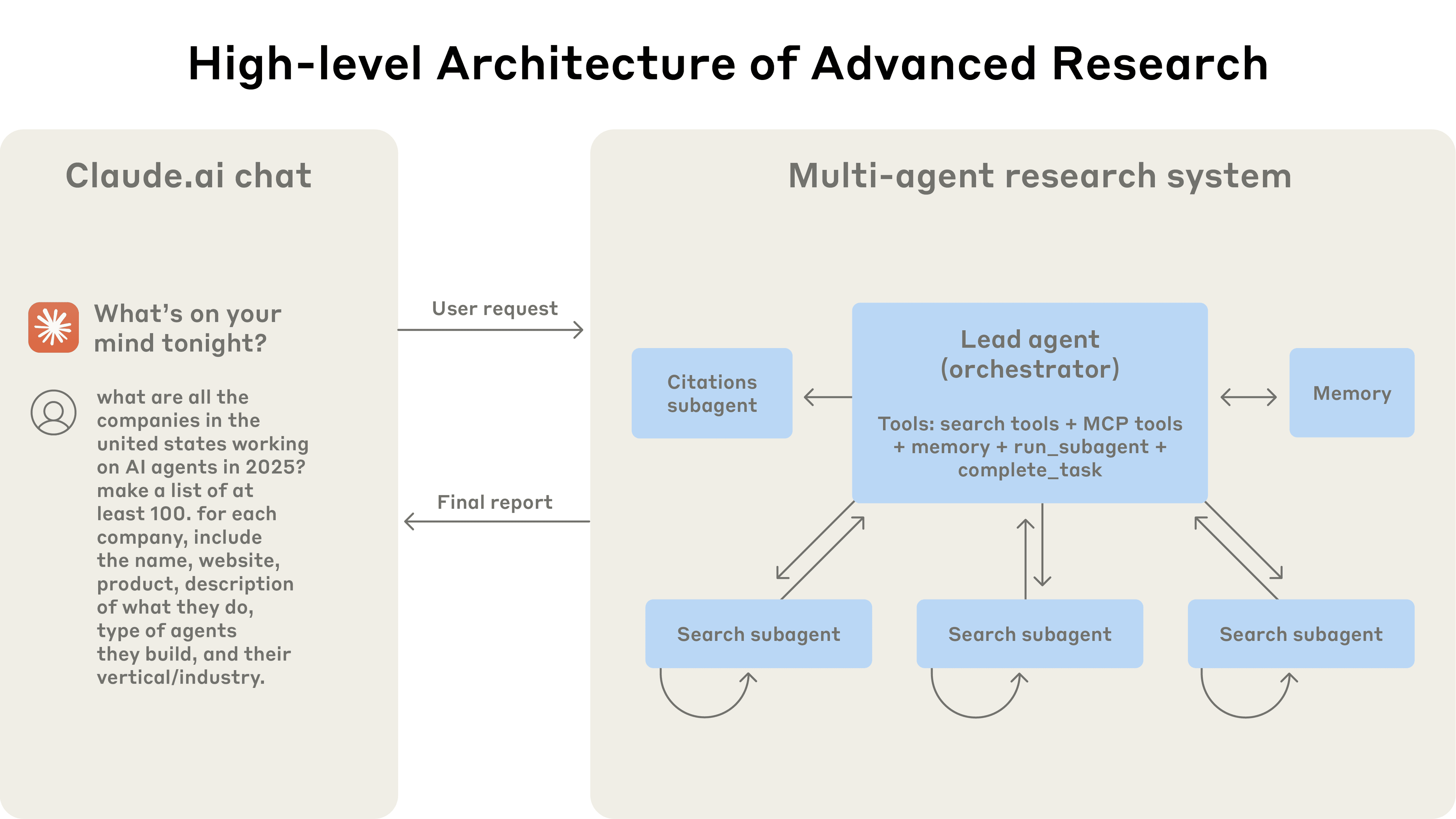
AI agent security in 2026: the lethal trifecta, the Agents Rule of Two, and the production defences that actually hold
Why prompt injection graduated from a curiosity to a tier-one security risk, the structural patterns that actually stop indirect attacks, and the defence stack we ship on production agents in 2026.
Reactify Solutions
Engineering Team
16 min read
Context engineering for AI agents in 2026: write, select, compress, isolate, and the four ways long contexts fail
Why prompt engineering stopped being the rate-limiting skill, how Anthropic, LangChain, and Chroma converged on the same four-strategy framework, and the production patterns that keep agents coherent past the 50K-token mark.
Reactify Solutions
Engineering Team
15 min read
Multi-agent orchestration in 2026: supervisor, swarm, handoffs, and the A2A protocol that ties them together
Why multi-agent stopped being a research aesthetic and became an architectural decision, how the supervisor and swarm patterns actually differ in production, and when the right answer is still a single agent in a tight loop.
Reactify Solutions
Engineering Team
15 min read
AI agent evaluation and observability in 2026: LangSmith, Langfuse, Arize Phoenix, Braintrust, and the OpenTelemetry GenAI conventions
Why evaluation and observability stopped being optional in 2026, how the OpenTelemetry GenAI conventions reshaped the tracing layer, and the architectural calls - trajectory vs outcome, LLM-as-judge vs deterministic, online vs offline - that decide whether an agent survives the first Monday in production.
Reactify Solutions
Engineering Team
16 min read

Voice AI agents in production 2026: LiveKit Agents, OpenAI Realtime, Pipecat, Vapi, and Retell compared
How the voice agent stack consolidated in 2025, why cascaded STT-LLM-TTS still beats speech-to-speech in production, and the architectural calls - turn detection, barge-in, telephony, observability - that decide whether a voice agent survives a Monday morning call queue.
Reactify Solutions
Engineering Team
15 min read
Code execution sandboxes for AI agents in 2026: E2B, Modal, Vercel Sandbox, Cloudflare, and Daytona compared
Why every serious AI agent now runs inside a sandbox, how the five frontier platforms differ once you ship them, and the production patterns - isolation model, cold start budget, credential injection, snapshots - that decide whether your agent fleet survives real traffic.
Reactify Solutions
Engineering Team
16 min read

Browser-using AI agents in 2026: production patterns for Computer Use, Browser Use, and Stagehand
Why browser agents finally crossed the production threshold, how Anthropic Computer Use, OpenAI Operator/Atlas, Browser Use, and Stagehand differ when you ship them, and the operational layer that decides whether the agent survives a week of real traffic.
Reactify Solutions
Engineering Team
15 min read

AI Agent Memory in 2026: from context windows to persistent, queryable knowledge
Why memory is now a first-class architectural component for AI agents, the taxonomy that actually maps to production code, and how Mem0, Zep, Letta, and LangMem differ when you put them in front of real users.
Reactify Solutions
Engineering Team
14 min read
LangGraph in 2026: building production AI agents as state machines, not chatbots
Why graph-based orchestration won the production agent argument, how LangGraph models agents as cyclic state machines, and the architectural decisions that matter when you put one in front of real users.
Reactify Solutions
Engineering Team
13 min read

Model Context Protocol in 2026: building production AI integrations on a real standard
How MCP turned the N×M integration problem into N+M, what the protocol actually looks like under the hood, and the patterns we use to ship MCP servers that survive enterprise security reviews.
Reactify Solutions
Engineering Team
14 min read
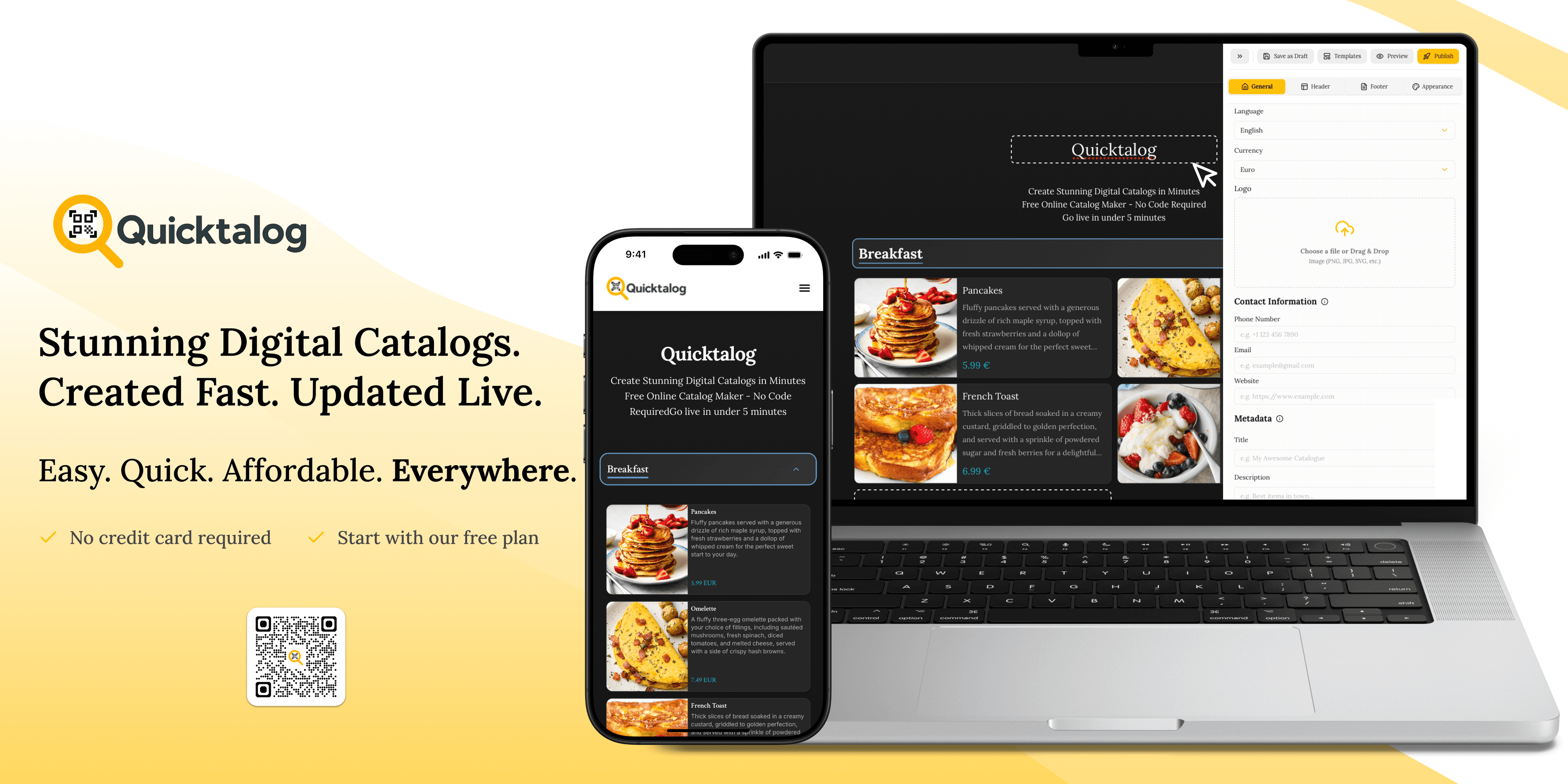
How we built Quicktalog: OCR and GPT for turning paper menus into digital catalogs in 30 seconds
A technical walkthrough of how we combined Tesseract OCR with OpenAI to let small businesses digitize a printed menu in under a minute, and what we learned along the way.
Reactify Solutions
Engineering Team
8 min read
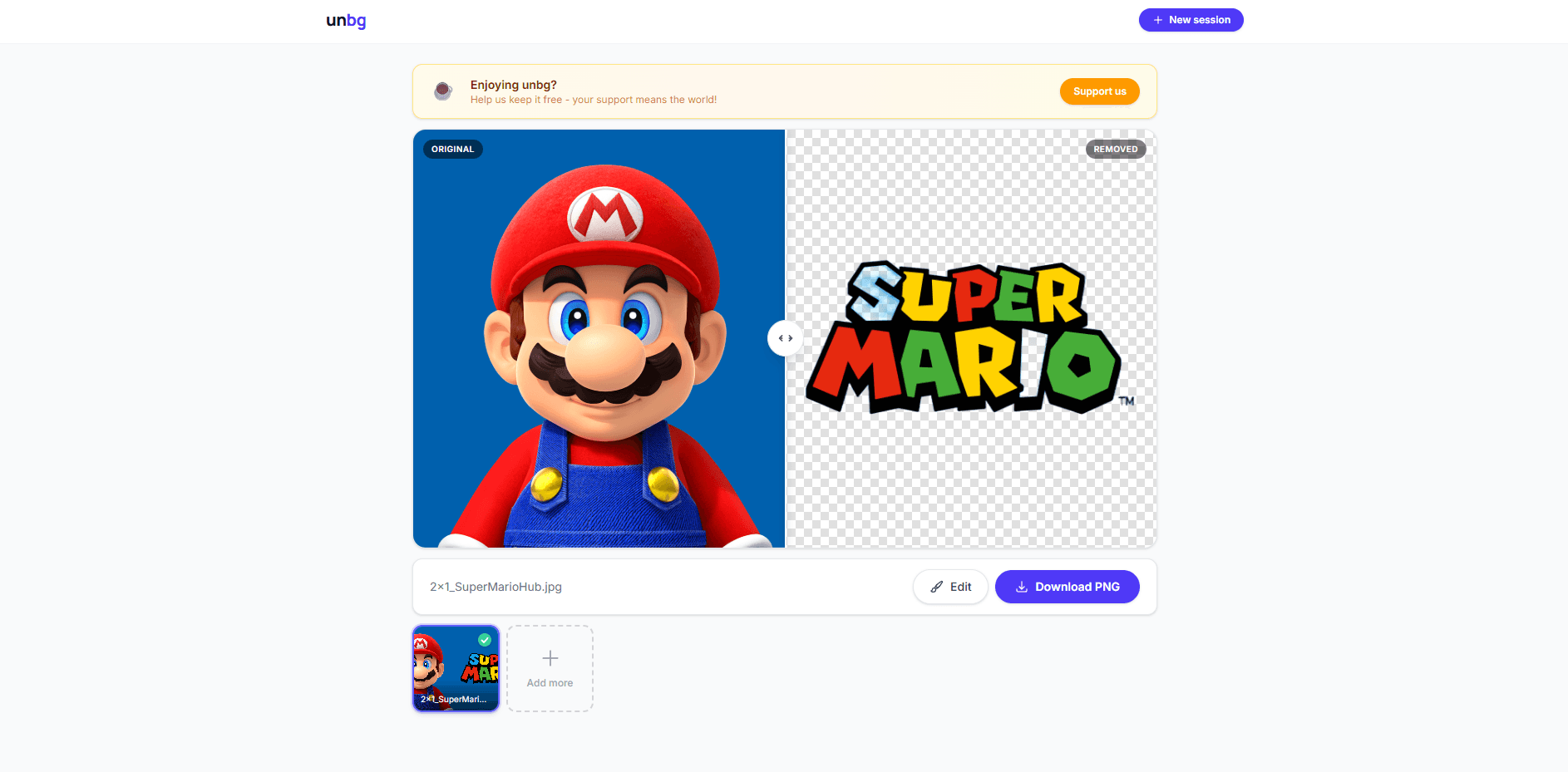
Building unbg: how we run AI background removal 100% in the browser
Why we built unbg with ONNX Runtime Web and WebAssembly instead of a server, what we learned about running neural networks client-side, and why it changes the privacy story for image tools.
Reactify Solutions
Engineering Team
7 min read
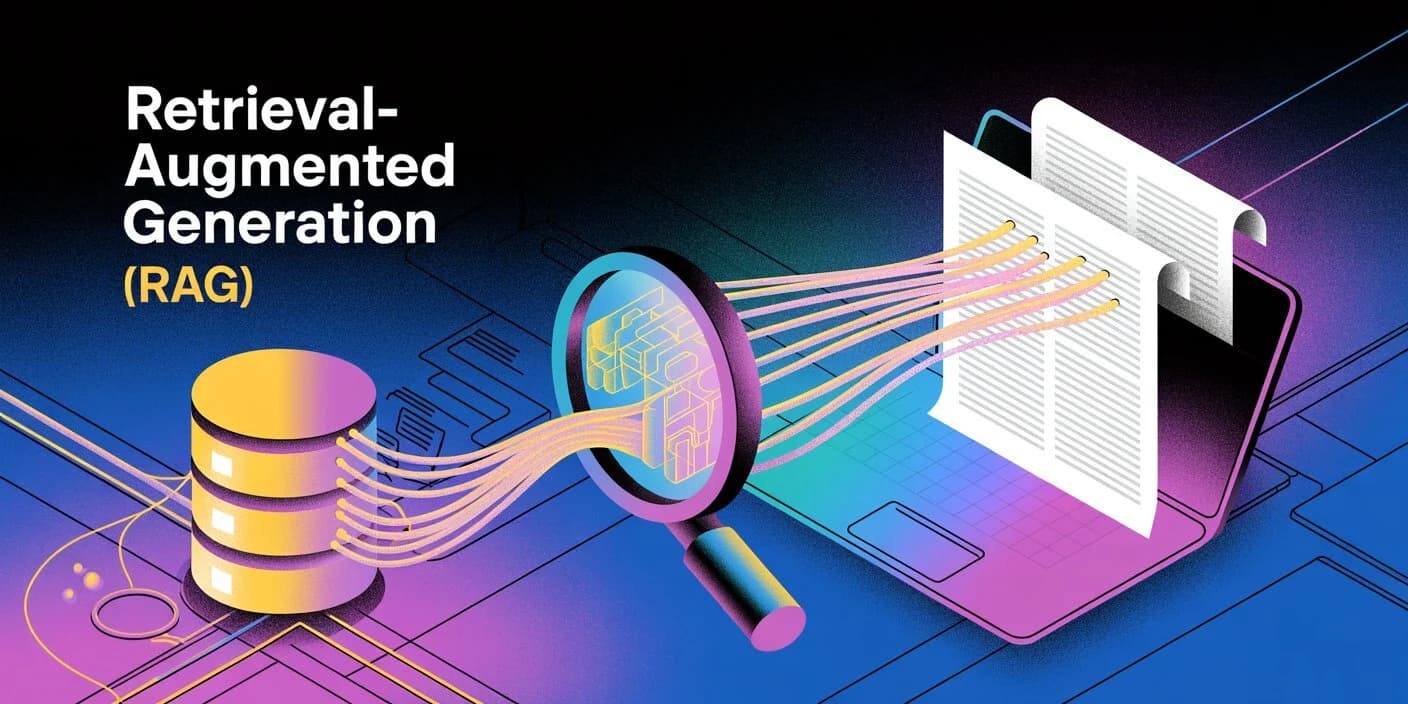
Building production RAG systems with Next.js, LangChain, and the Vercel AI SDK
A practical architecture for shipping RAG-powered features in Next.js. Ingestion with LangChain, retrieval with pgvector, streaming with the Vercel AI SDK, and the tradeoffs that actually matter.
Reactify Solutions
Engineering Team
12 min read
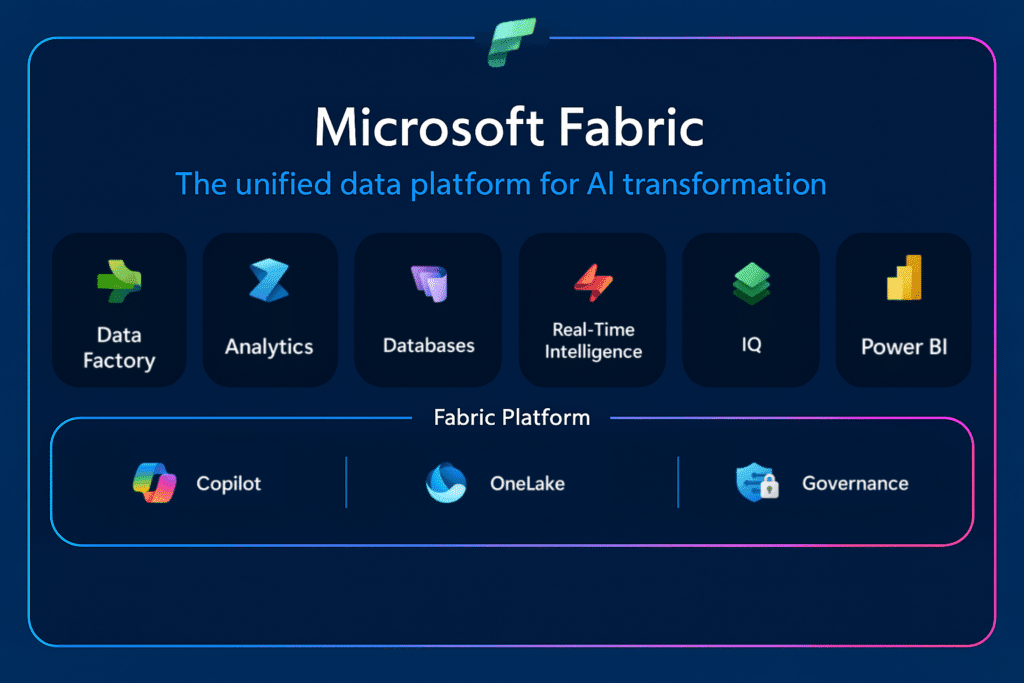
End-to-end analytics with Microsoft Fabric: Lakehouse to Power BI in one workspace
A practical walkthrough of building a production analytics pipeline in Microsoft Fabric. Ingestion, Lakehouse, Dataflow Gen2, semantic model, Direct Lake Power BI, and the decisions that save you from rebuilding it in a year.
Reactify Solutions
Data Engineering Team
11 min read
The Next.js SEO checklist for 2026: what actually matters
An opinionated, practical SEO checklist for Next.js apps. Skip the 200-item audits. This is the 10% of work that delivers 90% of the results for modern sites.
Reactify Solutions
Engineering Team
10 min read
Building production AI agents with tool use: patterns that actually work
Tool selection, retry and timeout strategy, evaluation, and the guardrails that keep an agent from falling over in production. A practical architecture built from real client work.
Reactify Solutions
Engineering Team
10 min read
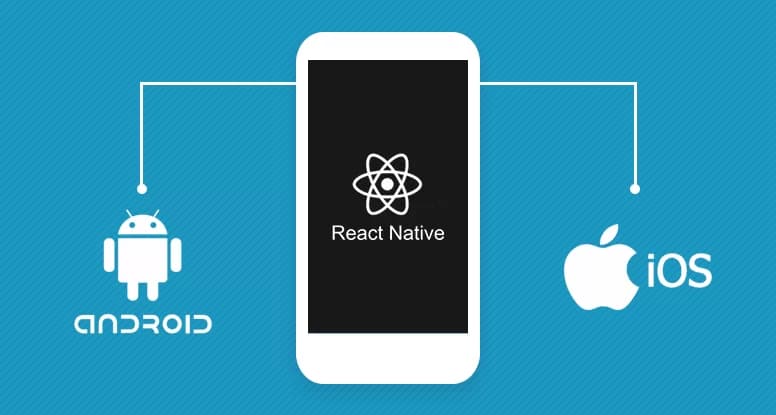
A quick introduction to building apps with React Native
A practical intro for React developers who want to ship a mobile app without learning Swift or Kotlin. Expo setup, component differences, navigation, native APIs, and shipping to the stores.
Reactify Solutions
Mobile Engineering Team
9 min read
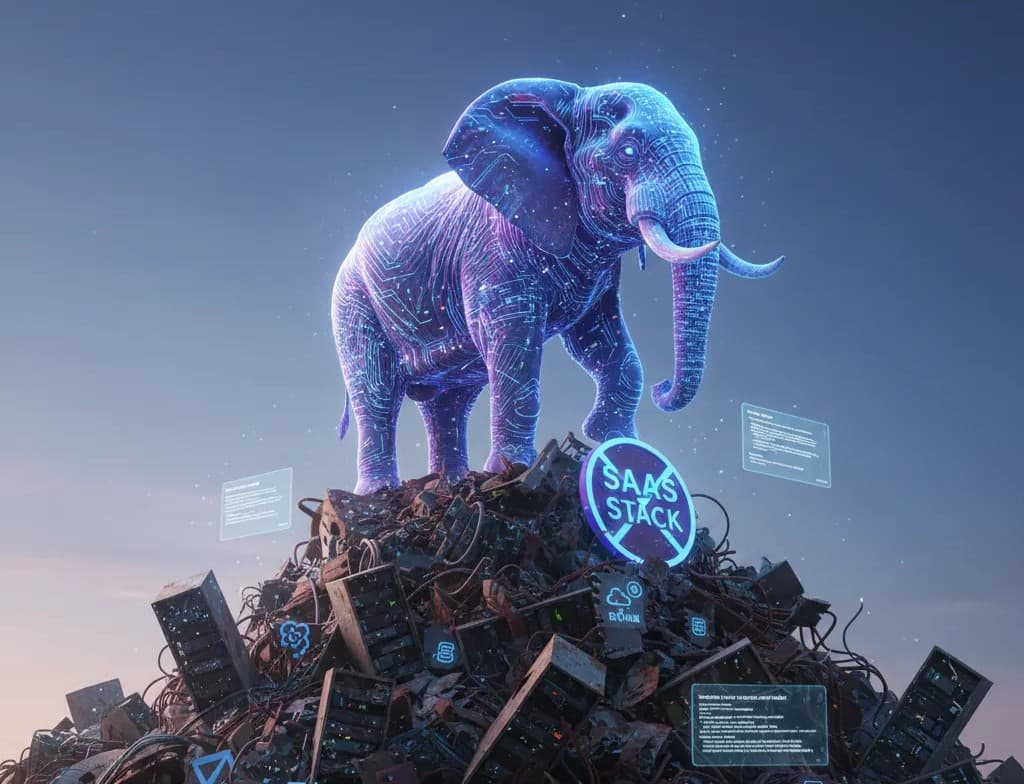
Ditch the SaaS stack: PostgreSQL is the only backend you need for Next.js apps
Postgres has grown extensions that cover almost every common backend need. Vector search, scheduling, full-text search, queues, realtime, auth. This is how to collapse your stack down to one database.
Reactify Solutions
Engineering Team
13 min read
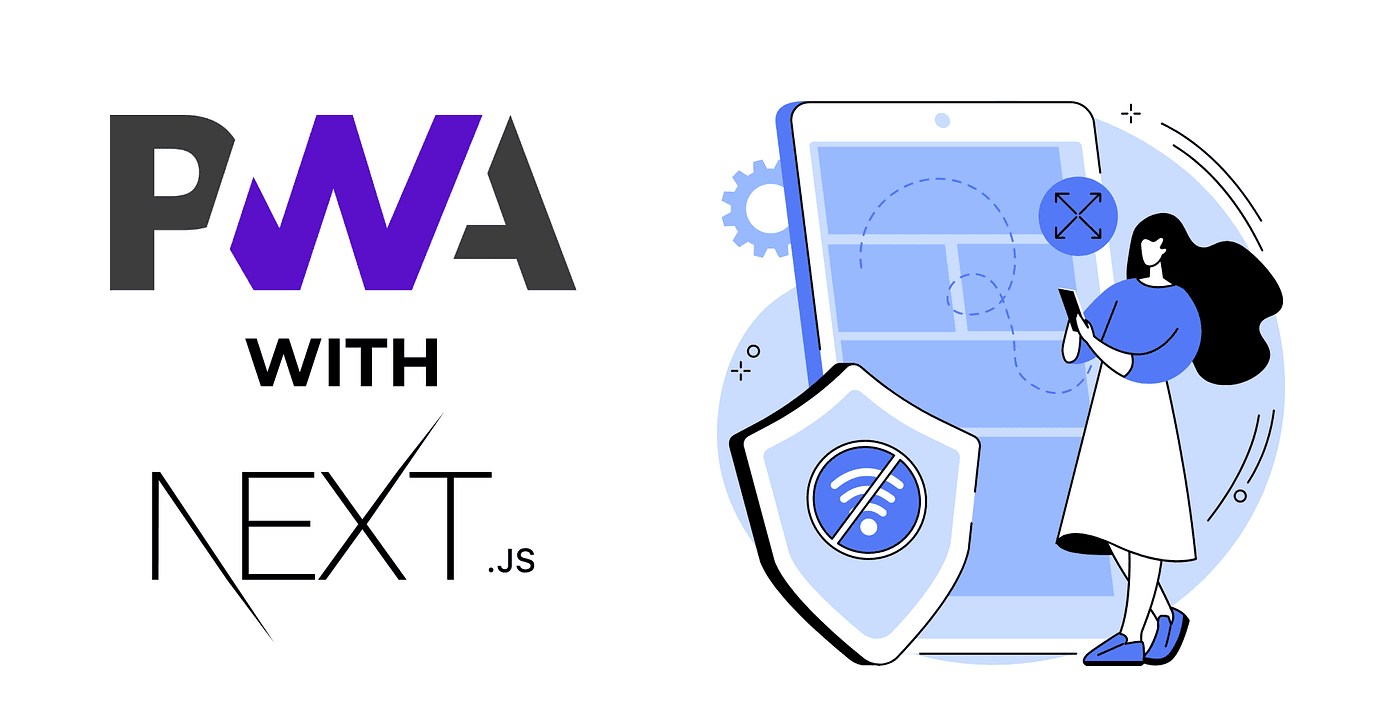
Shipping installable PWAs with Next.js 16: the 2026 guide
What it takes to ship a real, installable PWA on Next.js 16 today. Manifest, icons, service worker, push notifications, and the iOS quirks that trip teams up. With Quicktalog as the worked example.
Reactify Solutions
Engineering Team
10 min read
Cutting OpenAI API costs: caching, batching, and model routing in production
Three techniques that have reliably cut our OpenAI costs by 40% to 70% in production, without degrading output quality. Real patterns from running AI features at scale on Quicktalog and client work.
Reactify Solutions
Engineering Team
11 min read